2026-07-15 · Robert Ellis
What to Do Immediately After Water Damage: A Step-by-Step Guide
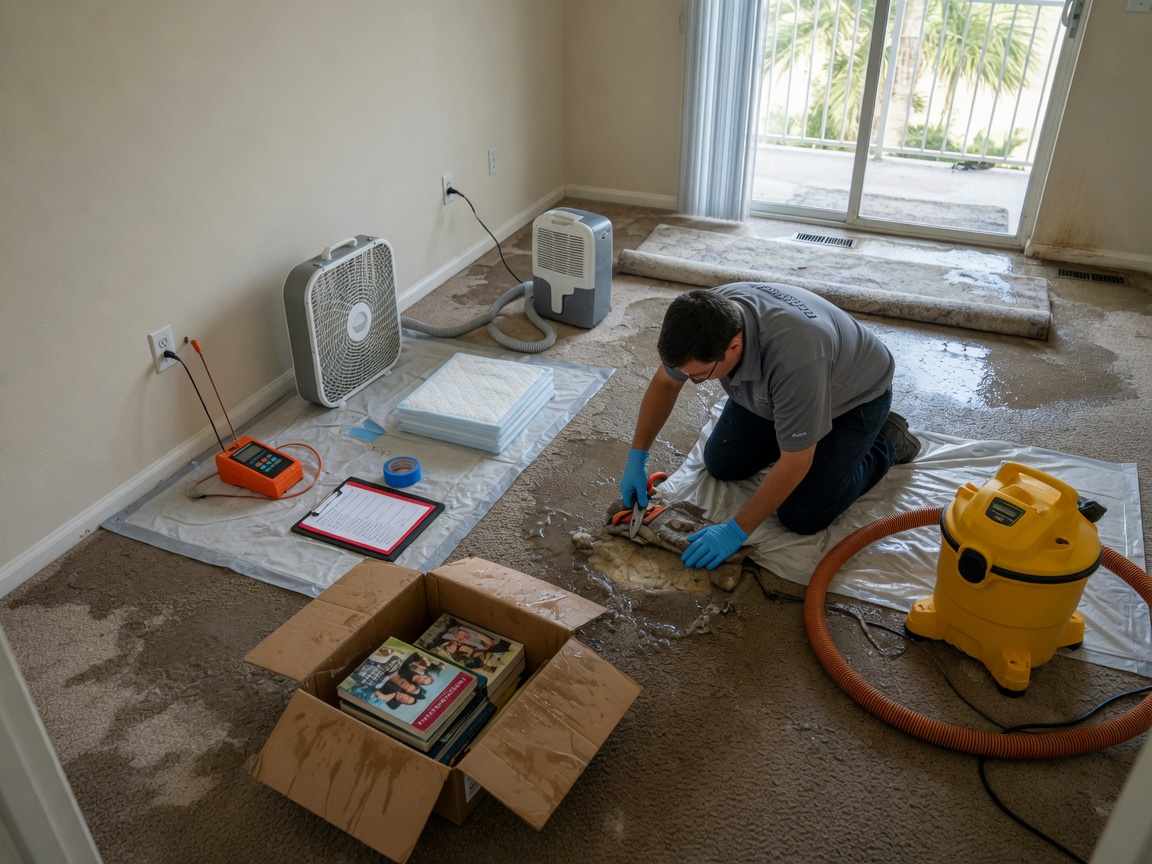
Act within the first hour after water damage appears to reduce secondary issues like mold growth in Pensacola's humid subtropical climate. Shut off power to affected areas, stop the source if safe, and begin water removal right away to protect structures in neighborhoods such as East Hill or Downtown Pensacola.
Ensure Safety Before Any Other Steps
Water and electricity create immediate shock hazards in any Pensacola home. Turn off power at the breaker box if standing water reaches outlets or appliances, and avoid entering rooms where water depth exceeds a few inches. Wear rubber boots and gloves to limit skin contact with potentially contaminated water from storms or plumbing failures. Check for structural concerns like sagging ceilings in older homes common in North Hill or Historic Pensacola Village before proceeding. These precautions prevent injuries while you assess the full scope of damage from heavy rain or appliance leaks.
Stop the Water Source
Locate and shut off the main water valve or isolate the leak to prevent additional flooding. In Pensacola's mild winters, burst pipes often occur when temperatures drop suddenly, while hot summers increase appliance failures. Document the source with photos for insurance purposes before attempting temporary fixes like clamping a pipe. If the issue stems from roof leaks near Scenic Heights or Cordova Park, avoid climbing in wet conditions. Professional assessment follows once the flow stops, especially for properties near Naval Air Station Pensacola or University of West Florida where quick response matters.
Perform Emergency Water Extraction
Remove standing water using pumps, wet vacuums, or mops within the first 24 hours to limit absorption into subfloors and walls. Emergency water extraction prevents deeper saturation that leads to costly repairs in West Pensacola homes. Focus on hard surfaces first, then extract from carpets and padding before mold sets in during humid conditions. Work in sections to avoid spreading moisture to unaffected rooms. Track progress by measuring water depth at intervals so you know when visible pooling ends.
Move Valuables and Begin Initial Cleanup
Relocate furniture, documents, and electronics to dry areas immediately to reduce loss. Lift items off wet floors and separate wet fabrics to promote airflow. In Escambia County properties, this step often reveals hidden damage behind baseboards or in crawl spaces common in older builds. Wipe surfaces with clean towels and dispose of porous materials like soaked drywall sections that cannot dry fully. Avoid using household fans alone if humidity remains high, as they can spread spores rather than remove moisture.
Contact Professionals for Assessment and Drying
Call a local restoration team for moisture detection and structural drying once visible water is gone. Water damage restoration teams use industrial equipment to pull remaining moisture from walls and floors that DIY methods miss. In areas like Scenic Heights, hidden saturation behind plaster can lead to long-term issues if not addressed within 48 hours. Schedule inspection at 510 Corday St, Pensacola, FL 32503 during business hours Mon–Fri 8am–6pm or Sat 9am–2pm. This ensures proper documentation and prevents insurance disputes later.